Vinh Long Terracotta Pottery and the Modern Redefinition of Handcraft
Vinh Long Terracotta Pottery has never been simply a product. It is an argument — made in clay, fired in flame, and shaped by generations of Mekong Delta hands. Today, however, a profound shift is rewriting the terms of that argument. Modern thinking is not replacing tradition here. Instead, it is interrogating it, pressuring it, and ultimately liberating it into something far more resonant for contemporary life.
The intersection of modernity and handcraft is rarely comfortable. It demands that artisans question what they have always accepted as truth. In Vinh Long, that questioning begins with symmetry.
Breaking the Tyranny of Symmetry in Vinh Long Terracotta
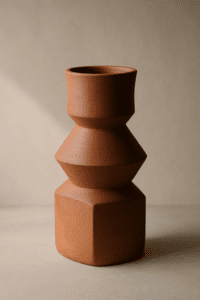
For centuries, Vietnamese ceramic aesthetics prized balance. A vessel that leaned, warped, or presented an uneven lip was considered flawed — a casualty of inconsistent firing or imprecise hands. Modern design philosophy, particularly through the Wabi-sabi and Japandi lenses, has inverted this entirely. Imperfection is now intentional. Asymmetry carries emotional weight that machine-perfect forms simply cannot achieve.
Vinh Long’s alluvial clay — drawn from the sediment-rich banks of the Mekong — possesses a natural mineral volatility. Iron oxide concentrations shift across each harvest. Organic matter embedded in the raw body burns away unevenly during firing, creating micro-surface textures that a symmetrical form would actually suppress. Modern thinking recognizes this. It asks artisans to work with the material’s instincts, not against them. The result is pottery that feels geologically honest — each piece a record of its specific clay, its specific fire.
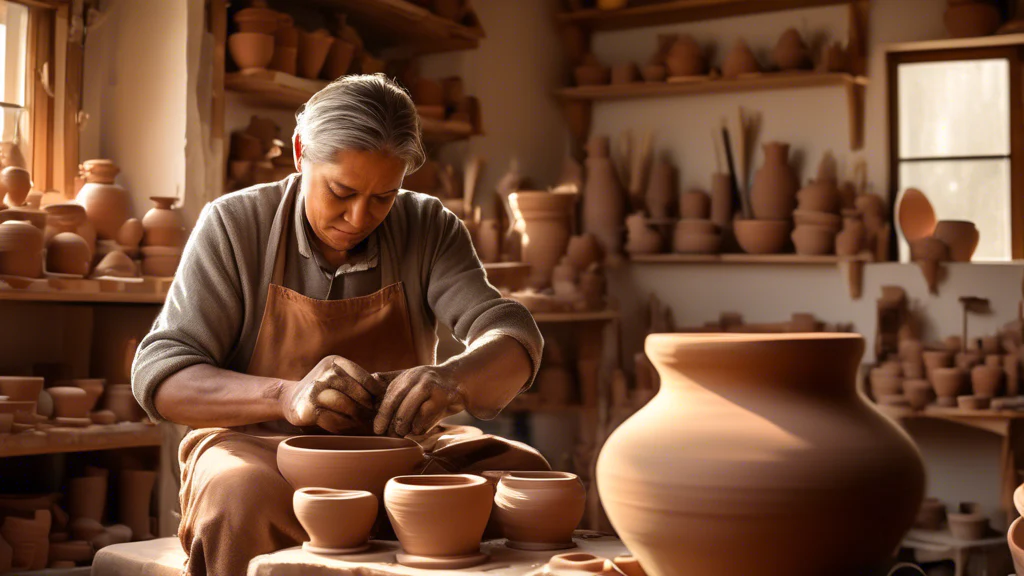
Technology as Liberation, Not Replacement
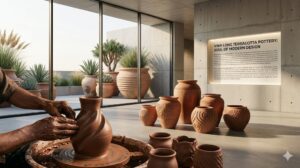
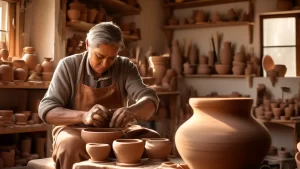
A critical misconception frames technology and handcraft as opponents. In reality, modern tools can free artisans from exhausting, repetitive labor — preserving their creative energy for the decisions that matter most. In Vinh Long pottery workshops, electric pugmills now handle the brutal work of clay wedging. Digital pyrometers monitor kiln temperatures with precision that wood-fire intuition alone cannot match consistently.
This matters enormously. Traditional open-flame and tunnel kilns in the Mekong Delta operate at temperatures between 900°C and 1,050°C — the precise range that defines terracotta art history globally. However, even minor temperature fluctuations across a large kiln chamber can cause color variance, structural weakness, or surface crazing. Technology stabilizes these variables. As a result, artisans redirect their full attention toward surface expression, form experimentation, and design innovation — the genuinely human contributions no machine can replicate.
Furthermore, 3D modeling software now allows designers to prototype radical forms before a single kilogram of clay is touched. This dramatically reduces material waste — a significant ethical concern when working with a finite natural resource like Mekong alluvial deposits.
From Functional Object to Healing Art: The New Role of Vinh Long Clay Pottery
Modern consumers are exhausted. They increasingly seek objects that slow them down rather than accelerate them. This cultural shift has elevated terracotta pottery from utilitarian status to something approaching therapeutic object. The weight of a handmade Vinh Long terracotta bowl in the palms carries a specific gravity — literally and psychologically. Its rough-smooth surface texture engages tactile senses that polished porcelain or synthetic materials simply bypass.
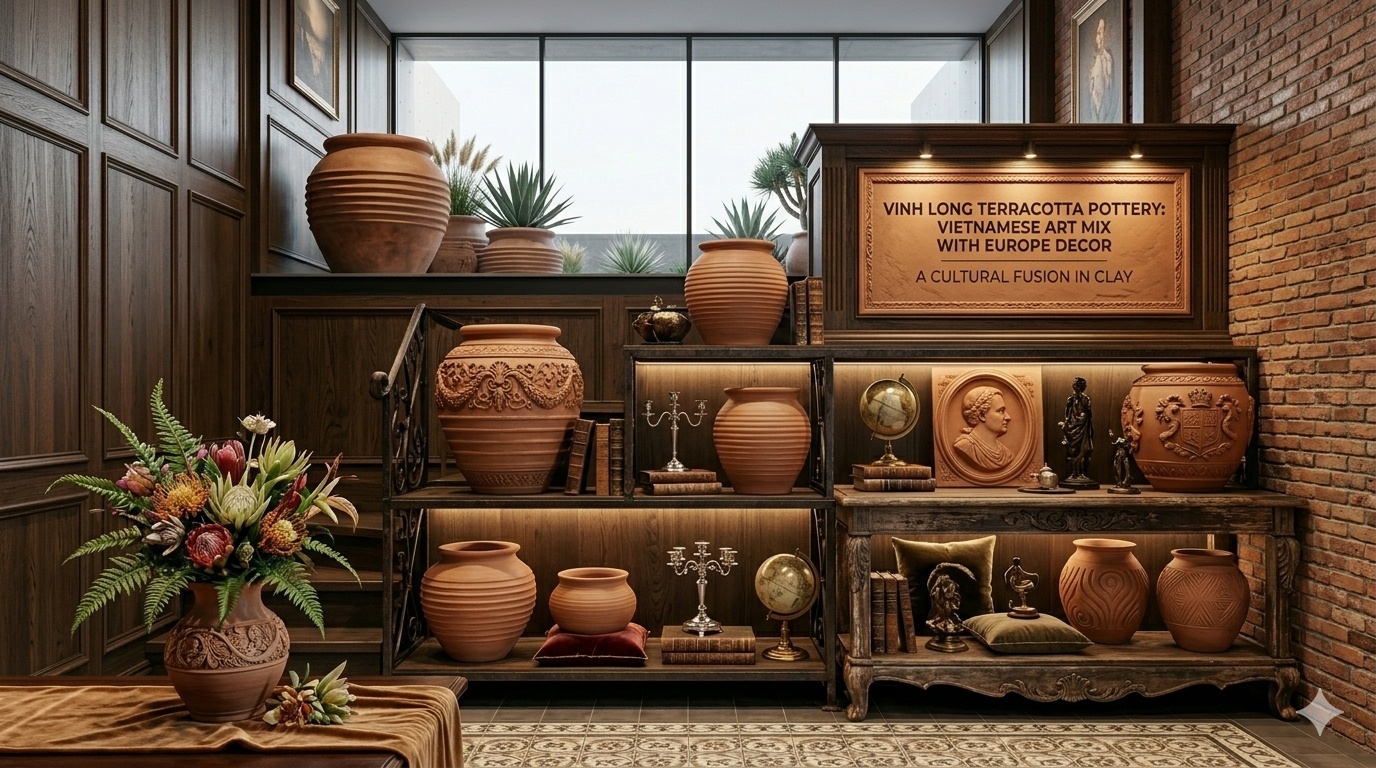
Interior designers working within Japandi frameworks specifically seek this quality. They curate spaces where every object communicates stillness. A single terracotta vessel from Vinh Long — unglazed, warm-toned from iron-rich clay, bearing the fingerprint shadows of its maker — performs precisely this function. It introduces an organic, impermanent presence into contemporary interiors that no mass-produced ceramic can genuinely replicate.
Consequently, Vinh Long terracotta pottery is increasingly positioned not as decoration but as a wellness object. Craft galleries in Ho Chi Minh City and international design platforms are framing these pieces within narratives of mindful living, slow consumption, and sensory reconnection. This is not marketing abstraction. It reflects a real shift in how people assign value to handmade objects.
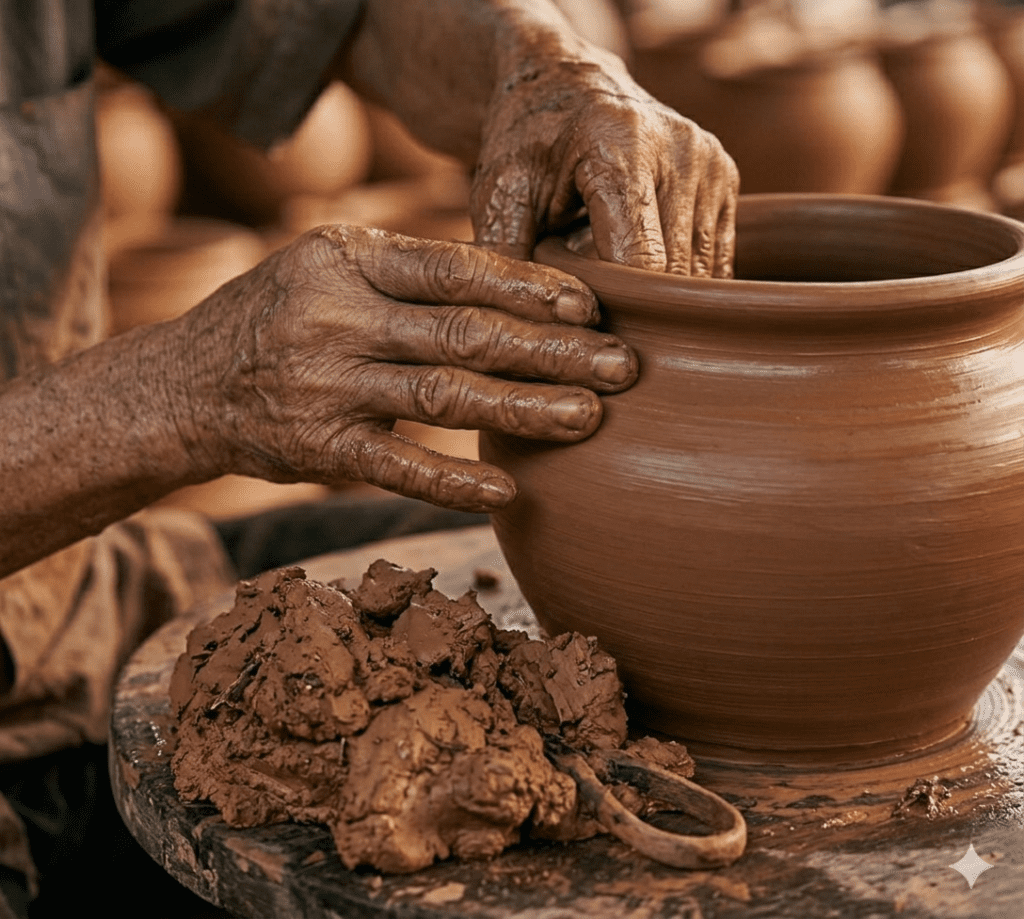
Building a Sustainable Heritage Brand on Honest Craft
Modern thinking also demands accountability. A heritage brand built on Vinh Long terracotta cannot simply invoke history as decoration. It must demonstrate that its production methods respect the environment, compensate artisans fairly, and maintain genuine craft integrity across every piece it sells.
This is where the distinction between a pottery workshop and a sustainable heritage brand becomes critical. The former produces objects. The latter produces meaning — traceable, verifiable, and consistent meaning. Studios that document their clay sourcing regions, publish their artisan profiles, and explain their firing processes openly are not merely marketing. They are building the trust infrastructure that modern consumers require before they invest in heritage craft.
For those following this evolution closely, the Hiệp Lợi Pottery news platform offers ongoing insight into how Vinh Long’s craft community navigates this exact challenge — balancing commercial relevance with the cultural authenticity that gives these objects their genuine value.
The Enduring Argument Continues
Modern thinking does not diminish Vinh Long Terracotta Pottery. On the contrary, it sharpens it. By embracing asymmetry as honest expression, deploying technology as a creative ally, repositioning functional objects as healing presences, and committing to traceable brand integrity, Vinh Long’s craft tradition finds its most compelling contemporary form yet. The clay still comes from the same Mekong banks. The fire still transforms it. What has changed is the depth of intention behind every hand that shapes it — and that changes everything.