How Vinh Long Terracotta Pottery Became a Contemporary Design Force
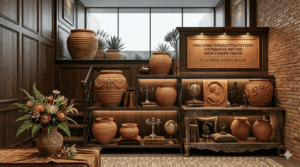
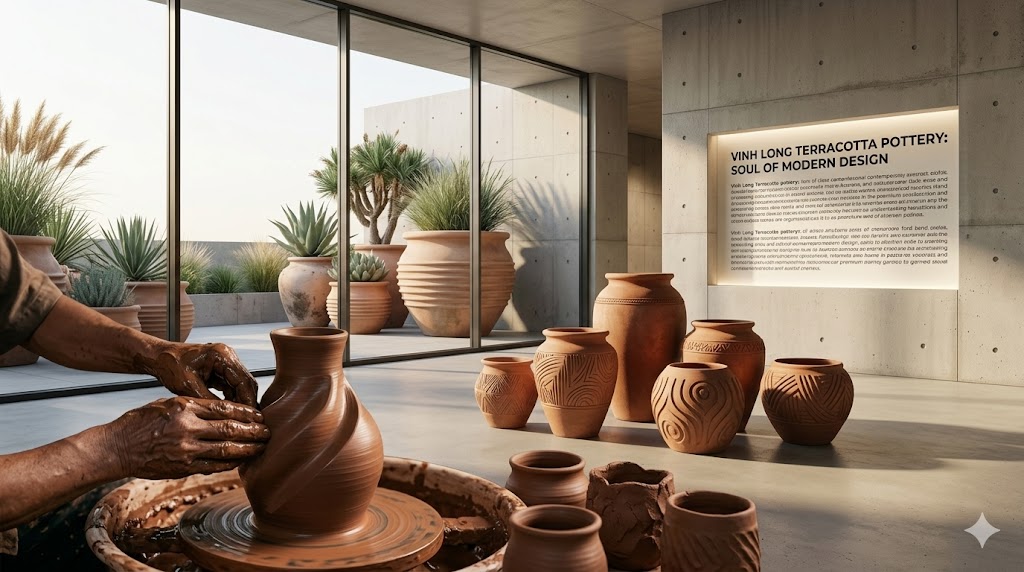
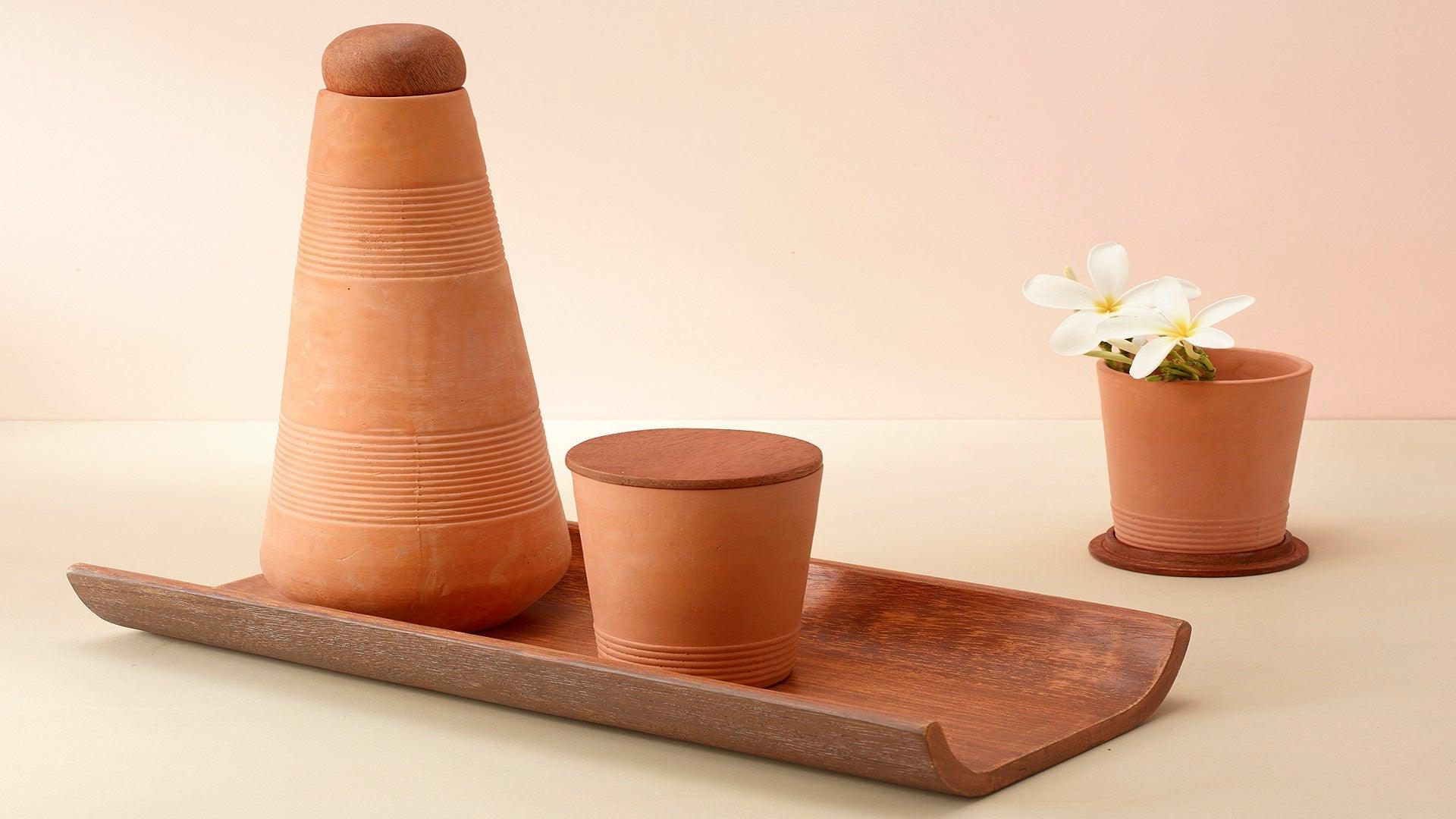
Vinh Long Terracotta Pottery occupies a singular position at the intersection of geological heritage and modern aesthetic intelligence. Born from the mineral-rich alluvial sediments deposited across millennia by the Mekong River, this pottery carries a material identity that synthetic materials simply cannot replicate. Its russet-orange surface — unglazed, textured, and quietly assertive — speaks directly to the visual language of today’s most sophisticated interior movements. Designers working within Japandi and Wabi-sabi frameworks are not merely discovering this material. They are returning to it with new urgency.
Furthermore, understanding why this revival resonates requires looking beyond surface aesthetics. The clay used in the Mang Thít district of Vĩnh Long province contains a specific ratio of iron oxide and kaolinite that, when fired between 900°C and 1050°C, produces the distinctive warm terracotta hue designers now actively specify. This is not accidental color. It is geology rendered visible through flame. As a result, every piece carries a chromatic authenticity that mass-produced ceramics, regardless of their finish quality, fundamentally lack.
The Russet Palette: Why Vinh Long Terracotta Earns Its Place in Raw Interior Aesthetics
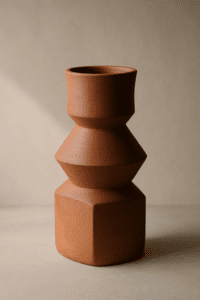
Contemporary interior curators increasingly reject the sterile perfection of polished surfaces. However, they require more than mere roughness — they demand purposeful imperfection with structural integrity. This is precisely where Vinh Long terracotta delivers. Its matte, iron-saturated surface absorbs ambient light rather than reflecting it, creating depth and warmth that anchors a room without dominating it. Paired with natural linen, raw timber, and washi paper textures, these pieces become the chromatic anchor of a Wabi-sabi composition.
In addition, the specific orange-red spectrum produced by Vĩnh Long’s firing process — ranging from burnt sienna at the cooler edges to deep oxide red at the core — aligns with the earthy tonal palettes that Japandi design actively prioritizes. Architects and stylists in Vietnam, Japan, and Scandinavia increasingly source these pieces not as decorative accents but as primary material references for entire spatial color stories. The clay does not imitate nature. It simply is nature, pressed into functional form.
The Parabolic Kiln as Architectural Vocabulary: Mang Thít’s Structural Legacy
Beyond the objects themselves, terracotta pottery from Vinh Long has gifted contemporary architecture a structural metaphor of profound power. The traditional tunnel kilns of Mang Thít — often referred to as the “brick kingdom” — feature continuous parabolic vault forms stretching hundreds of meters across the riverbank landscape. These structures were not designed by architects. They were engineered empirically by kiln masters optimizing heat distribution, draft dynamics, and thermal mass over generations.
Today, those same parabolic geometries appear in contemporary pavilion rooflines, vaulted passageways, and compressed-earth construction projects across Southeast Asia. The catenary arch form, which kiln builders in Mang Thít perfected through necessity, offers structural efficiency that modern computational design has only recently confirmed mathematically. Therefore, when architects cite the Mang Thít kiln clusters as inspiration, they acknowledge a tradition of structural problem-solving that preceded digital tools by centuries. To learn more about the deep history of this firing tradition, the terracotta art history archives provide essential global context.
Subsequently, the cultural preservation movement surrounding these kilns has amplified their architectural relevance. Several Mang Thít kiln complexes now function as adaptive reuse projects — transformed into cultural centres, boutique stays, and workshop spaces. Consequently, the parabolic vault no longer belongs solely to industrial heritage. It has entered the active vocabulary of Vietnamese contemporary architecture as a symbol of intelligent vernacular form.

Sustainability as Strategic Identity: Reviving Indigenous Craft on Global Terms
The contemporary design economy increasingly rewards authenticity tied to traceable, low-impact production. On that front, Vinh Long Terracotta Pottery holds a compelling argument. The production process relies on locally sourced Mekong alluvial clay, wood-fired or rice-husk-fuelled kilns, and hand-forming techniques that require no synthetic binders or industrial additives. The carbon footprint per unit remains dramatically lower than industrially produced ceramic alternatives. Moreover, because the material is unglazed and composed entirely of natural minerals, it remains fully biodegradable at end of life.
However, sustainability alone does not drive design adoption — narrative does. The story of Vinh Long’s pottery tradition, stretching back over a century of Mekong delta craft identity, gives specifiers and collectors a cultural provenance that elevates the material from utilitarian object to heritage artifact. Brands and designers who understand this dynamic have already begun integrating these pieces into their collections. For ongoing developments in how Vietnamese artisan studios are positioning this heritage commercially, Hiệp Lợi Pottery news offers sharp, ground-level industry coverage worth following closely.
From Regional Craft to Global Design Reference
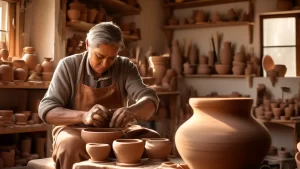
The trajectory of Vinh Long clay pottery from provincial kiln output to international design material did not happen through marketing campaigns. It happened because the material itself is honest. In an era saturated with simulated textures and algorithmically generated aesthetics, designers and collectors are gravitating toward objects that carry the unambiguous evidence of place, process, and time. The Mekong’s sediment, the kiln master’s fire, and the artisan’s hands — these forces leave marks that no industrial process can counterfeit.
In conclusion, Vinh Long Terracotta Pottery earns its position as a major contemporary design reference not through nostalgia but through material truth. Its iron-rich palette anchors raw interiors, its kiln architecture informs structural thinking, and its sustainable production model aligns with the values driving serious design practice today. This is heritage that does not need to be preserved behind glass. It belongs, actively and confidently, in the spaces we build and inhabit now.