Day: May 21, 2026

  • Vinh Long Terracotta Pottery: Where Craft Meets Modern Mind

    Vinh Long Terracotta Pottery: Where Craft Meets Modern Mind

    Vinh Long Terracotta Pottery and the Modern Redefinition of Handcraft

    Vinh Long Terracotta Pottery has never been simply a product. It is an argument — made in clay, fired in flame, and shaped by generations of Mekong Delta hands. Today, however, a profound shift is rewriting the terms of that argument. Modern thinking is not replacing tradition here. Instead, it is interrogating it, pressuring it, and ultimately liberating it into something far more resonant for contemporary life.

    The intersection of modernity and handcraft is rarely comfortable. It demands that artisans question what they have always accepted as truth. In Vinh Long, that questioning begins with symmetry.

    Breaking the Tyranny of Symmetry in Vinh Long Terracotta

    For centuries, Vietnamese ceramic aesthetics prized balance. A vessel that leaned, warped, or presented an uneven lip was considered flawed — a casualty of inconsistent firing or imprecise hands. Modern design philosophy, particularly through the Wabi-sabi and Japandi lenses, has inverted this entirely. Imperfection is now intentional. Asymmetry carries emotional weight that machine-perfect forms simply cannot achieve.

    Vinh Long’s alluvial clay — drawn from the sediment-rich banks of the Mekong — possesses a natural mineral volatility. Iron oxide concentrations shift across each harvest. Organic matter embedded in the raw body burns away unevenly during firing, creating micro-surface textures that a symmetrical form would actually suppress. Modern thinking recognizes this. It asks artisans to work with the material’s instincts, not against them. The result is pottery that feels geologically honest — each piece a record of its specific clay, its specific fire.
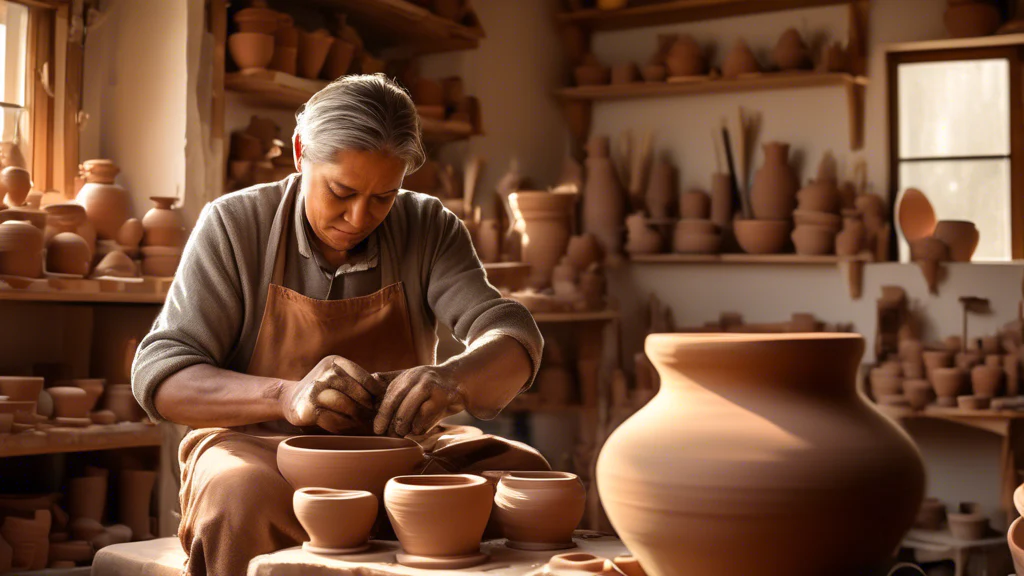
    Quy trình sản xuất gốm đất nung
    Process create Terracotta pottery

    Technology as Liberation, Not Replacement

    A critical misconception frames technology and handcraft as opponents. In reality, modern tools can free artisans from exhausting, repetitive labor — preserving their creative energy for the decisions that matter most. In Vinh Long pottery workshops, electric pugmills now handle the brutal work of clay wedging. Digital pyrometers monitor kiln temperatures with precision that wood-fire intuition alone cannot match consistently.

    This matters enormously. Traditional open-flame and tunnel kilns in the Mekong Delta operate at temperatures between 900°C and 1,050°C — the precise range that defines terracotta art history globally. However, even minor temperature fluctuations across a large kiln chamber can cause color variance, structural weakness, or surface crazing. Technology stabilizes these variables. As a result, artisans redirect their full attention toward surface expression, form experimentation, and design innovation — the genuinely human contributions no machine can replicate.

    Furthermore, 3D modeling software now allows designers to prototype radical forms before a single kilogram of clay is touched. This dramatically reduces material waste — a significant ethical concern when working with a finite natural resource like Mekong alluvial deposits.

    From Functional Object to Healing Art: The New Role of Vinh Long Clay Pottery

    Modern consumers are exhausted. They increasingly seek objects that slow them down rather than accelerate them. This cultural shift has elevated terracotta pottery from utilitarian status to something approaching therapeutic object. The weight of a handmade Vinh Long terracotta bowl in the palms carries a specific gravity — literally and psychologically. Its rough-smooth surface texture engages tactile senses that polished porcelain or synthetic materials simply bypass.

    Interior designers working within Japandi frameworks specifically seek this quality. They curate spaces where every object communicates stillness. A single terracotta vessel from Vinh Long — unglazed, warm-toned from iron-rich clay, bearing the fingerprint shadows of its maker — performs precisely this function. It introduces an organic, impermanent presence into contemporary interiors that no mass-produced ceramic can genuinely replicate.

    Consequently, Vinh Long terracotta pottery is increasingly positioned not as decoration but as a wellness object. Craft galleries in Ho Chi Minh City and international design platforms are framing these pieces within narratives of mindful living, slow consumption, and sensory reconnection. This is not marketing abstraction. It reflects a real shift in how people assign value to handmade objects.
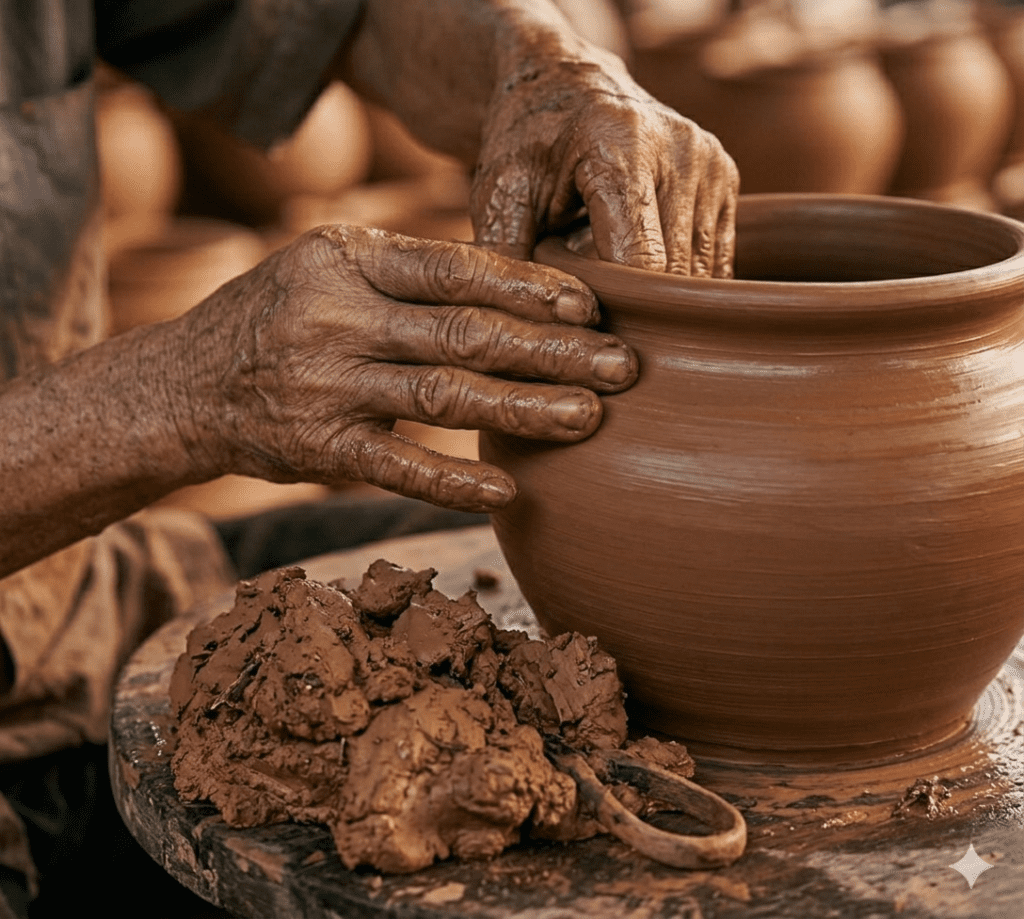
    Gốm đất nung Vĩnh Long
    Process create Terracotta Pottery

    Building a Sustainable Heritage Brand on Honest Craft

    Modern thinking also demands accountability. A heritage brand built on Vinh Long terracotta cannot simply invoke history as decoration. It must demonstrate that its production methods respect the environment, compensate artisans fairly, and maintain genuine craft integrity across every piece it sells.

    This is where the distinction between a pottery workshop and a sustainable heritage brand becomes critical. The former produces objects. The latter produces meaning — traceable, verifiable, and consistent meaning. Studios that document their clay sourcing regions, publish their artisan profiles, and explain their firing processes openly are not merely marketing. They are building the trust infrastructure that modern consumers require before they invest in heritage craft.

    For those following this evolution closely, the Hiệp Lợi Pottery news platform offers ongoing insight into how Vinh Long’s craft community navigates this exact challenge — balancing commercial relevance with the cultural authenticity that gives these objects their genuine value.

    The Enduring Argument Continues

    Modern thinking does not diminish Vinh Long Terracotta Pottery. On the contrary, it sharpens it. By embracing asymmetry as honest expression, deploying technology as a creative ally, repositioning functional objects as healing presences, and committing to traceable brand integrity, Vinh Long’s craft tradition finds its most compelling contemporary form yet. The clay still comes from the same Mekong banks. The fire still transforms it. What has changed is the depth of intention behind every hand that shapes it — and that changes everything.
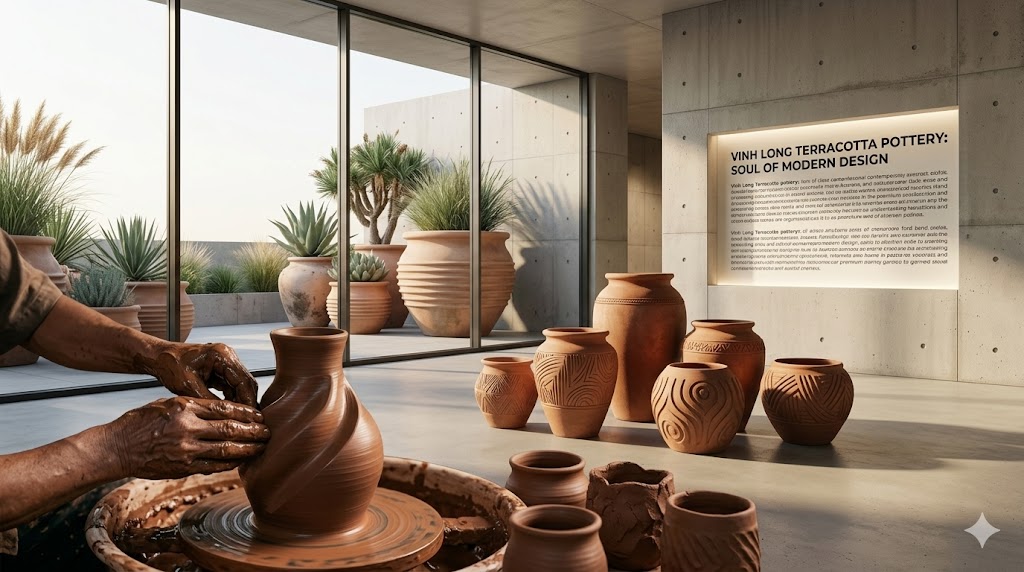
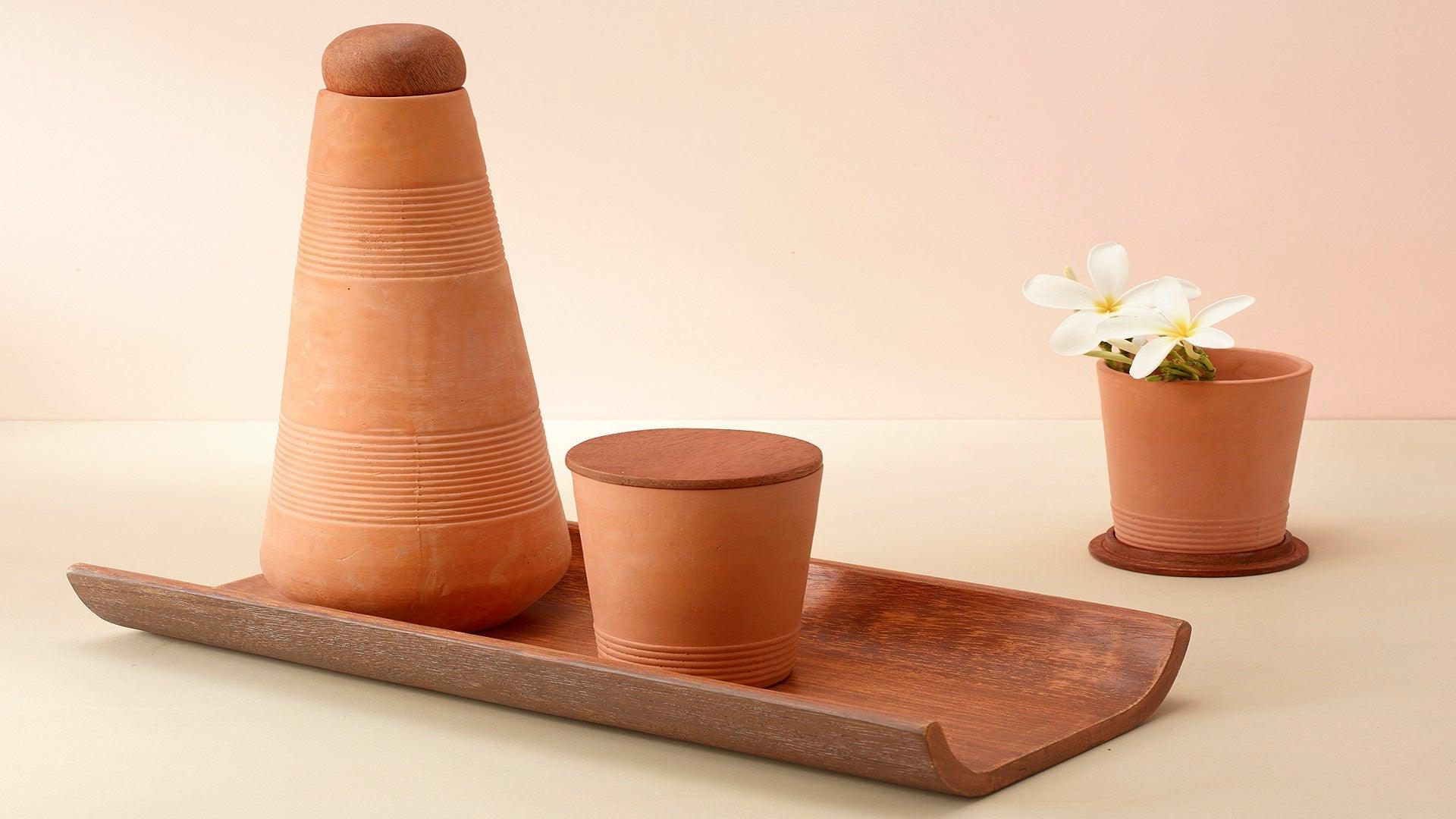
  • Vinh Long Terracotta Pottery: Soul of Modern Design

    Vinh Long Terracotta Pottery: Soul of Modern Design

    How Vinh Long Terracotta Pottery Became a Contemporary Design Force

    Vinh Long Terracotta Pottery occupies a singular position at the intersection of geological heritage and modern aesthetic intelligence. Born from the mineral-rich alluvial sediments deposited across millennia by the Mekong River, this pottery carries a material identity that synthetic materials simply cannot replicate. Its russet-orange surface — unglazed, textured, and quietly assertive — speaks directly to the visual language of today’s most sophisticated interior movements. Designers working within Japandi and Wabi-sabi frameworks are not merely discovering this material. They are returning to it with new urgency.

    Furthermore, understanding why this revival resonates requires looking beyond surface aesthetics. The clay used in the Mang Thít district of Vĩnh Long province contains a specific ratio of iron oxide and kaolinite that, when fired between 900°C and 1050°C, produces the distinctive warm terracotta hue designers now actively specify. This is not accidental color. It is geology rendered visible through flame. As a result, every piece carries a chromatic authenticity that mass-produced ceramics, regardless of their finish quality, fundamentally lack.

    The Russet Palette: Why Vinh Long Terracotta Earns Its Place in Raw Interior Aesthetics

    Contemporary interior curators increasingly reject the sterile perfection of polished surfaces. However, they require more than mere roughness — they demand purposeful imperfection with structural integrity. This is precisely where Vinh Long terracotta delivers. Its matte, iron-saturated surface absorbs ambient light rather than reflecting it, creating depth and warmth that anchors a room without dominating it. Paired with natural linen, raw timber, and washi paper textures, these pieces become the chromatic anchor of a Wabi-sabi composition.

    In addition, the specific orange-red spectrum produced by Vĩnh Long’s firing process — ranging from burnt sienna at the cooler edges to deep oxide red at the core — aligns with the earthy tonal palettes that Japandi design actively prioritizes. Architects and stylists in Vietnam, Japan, and Scandinavia increasingly source these pieces not as decorative accents but as primary material references for entire spatial color stories. The clay does not imitate nature. It simply is nature, pressed into functional form.

    How Terracotta was Revived in Modern Times
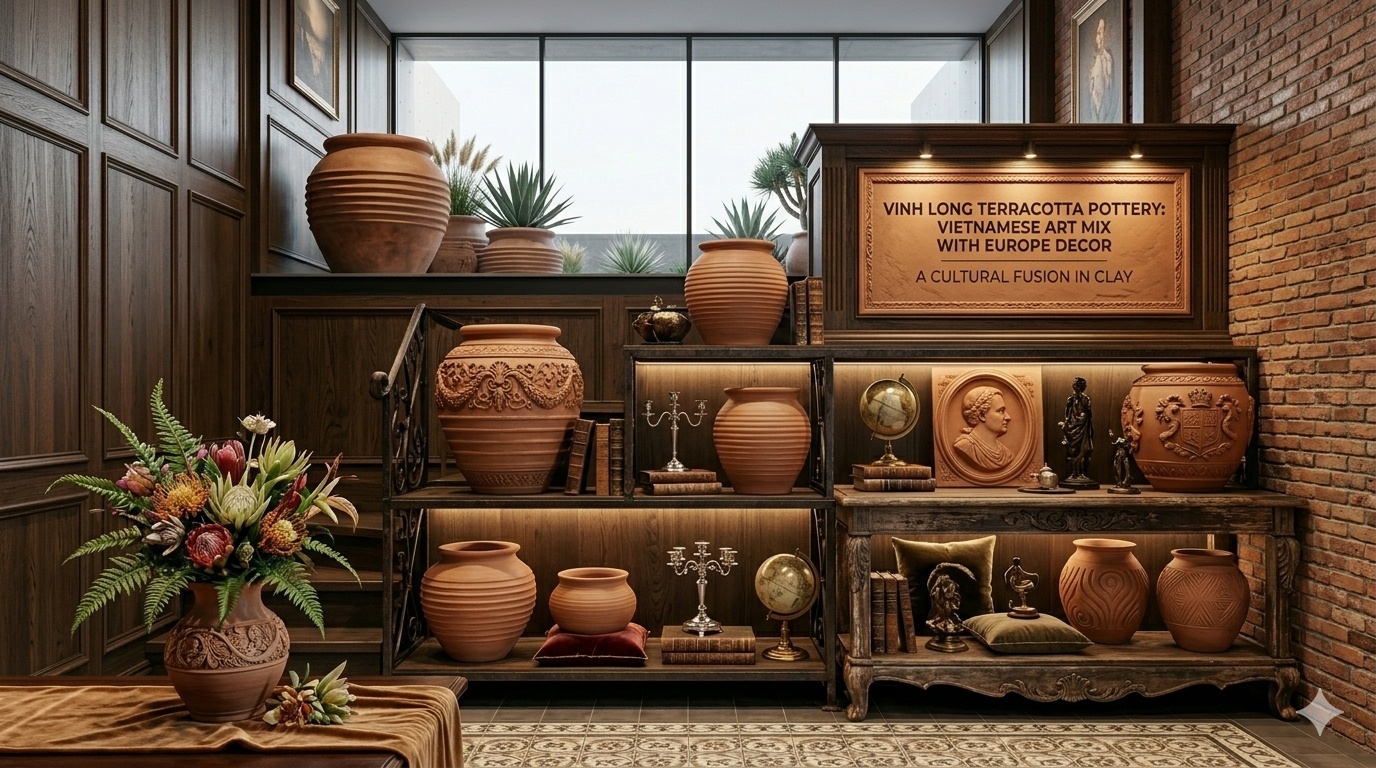
    Modern colors and styles of Vinh Long terracotta

    The Parabolic Kiln as Architectural Vocabulary: Mang Thít’s Structural Legacy

    Beyond the objects themselves, terracotta pottery from Vinh Long has gifted contemporary architecture a structural metaphor of profound power. The traditional tunnel kilns of Mang Thít — often referred to as the “brick kingdom” — feature continuous parabolic vault forms stretching hundreds of meters across the riverbank landscape. These structures were not designed by architects. They were engineered empirically by kiln masters optimizing heat distribution, draft dynamics, and thermal mass over generations.

    Today, those same parabolic geometries appear in contemporary pavilion rooflines, vaulted passageways, and compressed-earth construction projects across Southeast Asia. The catenary arch form, which kiln builders in Mang Thít perfected through necessity, offers structural efficiency that modern computational design has only recently confirmed mathematically. Therefore, when architects cite the Mang Thít kiln clusters as inspiration, they acknowledge a tradition of structural problem-solving that preceded digital tools by centuries. To learn more about the deep history of this firing tradition, the terracotta art history archives provide essential global context.

    Subsequently, the cultural preservation movement surrounding these kilns has amplified their architectural relevance. Several Mang Thít kiln complexes now function as adaptive reuse projects — transformed into cultural centres, boutique stays, and workshop spaces. Consequently, the parabolic vault no longer belongs solely to industrial heritage. It has entered the active vocabulary of Vietnamese contemporary architecture as a symbol of intelligent vernacular form.

    Terracotta furniture Images - Vinh Long Terracotta Pottery
    Modern colors and styles of Vinh Long terracotta

    Sustainability as Strategic Identity: Reviving Indigenous Craft on Global Terms

    The contemporary design economy increasingly rewards authenticity tied to traceable, low-impact production. On that front, Vinh Long Terracotta Pottery holds a compelling argument. The production process relies on locally sourced Mekong alluvial clay, wood-fired or rice-husk-fuelled kilns, and hand-forming techniques that require no synthetic binders or industrial additives. The carbon footprint per unit remains dramatically lower than industrially produced ceramic alternatives. Moreover, because the material is unglazed and composed entirely of natural minerals, it remains fully biodegradable at end of life.

    However, sustainability alone does not drive design adoption — narrative does. The story of Vinh Long’s pottery tradition, stretching back over a century of Mekong delta craft identity, gives specifiers and collectors a cultural provenance that elevates the material from utilitarian object to heritage artifact. Brands and designers who understand this dynamic have already begun integrating these pieces into their collections. For ongoing developments in how Vietnamese artisan studios are positioning this heritage commercially, Hiệp Lợi Pottery news offers sharp, ground-level industry coverage worth following closely.

    From Regional Craft to Global Design Reference

    The trajectory of Vinh Long clay pottery from provincial kiln output to international design material did not happen through marketing campaigns. It happened because the material itself is honest. In an era saturated with simulated textures and algorithmically generated aesthetics, designers and collectors are gravitating toward objects that carry the unambiguous evidence of place, process, and time. The Mekong’s sediment, the kiln master’s fire, and the artisan’s hands — these forces leave marks that no industrial process can counterfeit.

    In conclusion, Vinh Long Terracotta Pottery earns its position as a major contemporary design reference not through nostalgia but through material truth. Its iron-rich palette anchors raw interiors, its kiln architecture informs structural thinking, and its sustainable production model aligns with the values driving serious design practice today. This is heritage that does not need to be preserved behind glass. It belongs, actively and confidently, in the spaces we build and inhabit now.

  • Vinh Long Terracotta Pottery: Geometry Meets Clay

    Vinh Long Terracotta Pottery: Geometry Meets Clay

    Vinh Long Terracotta Pottery: Iron-Rich Clay Meets Geometric Form

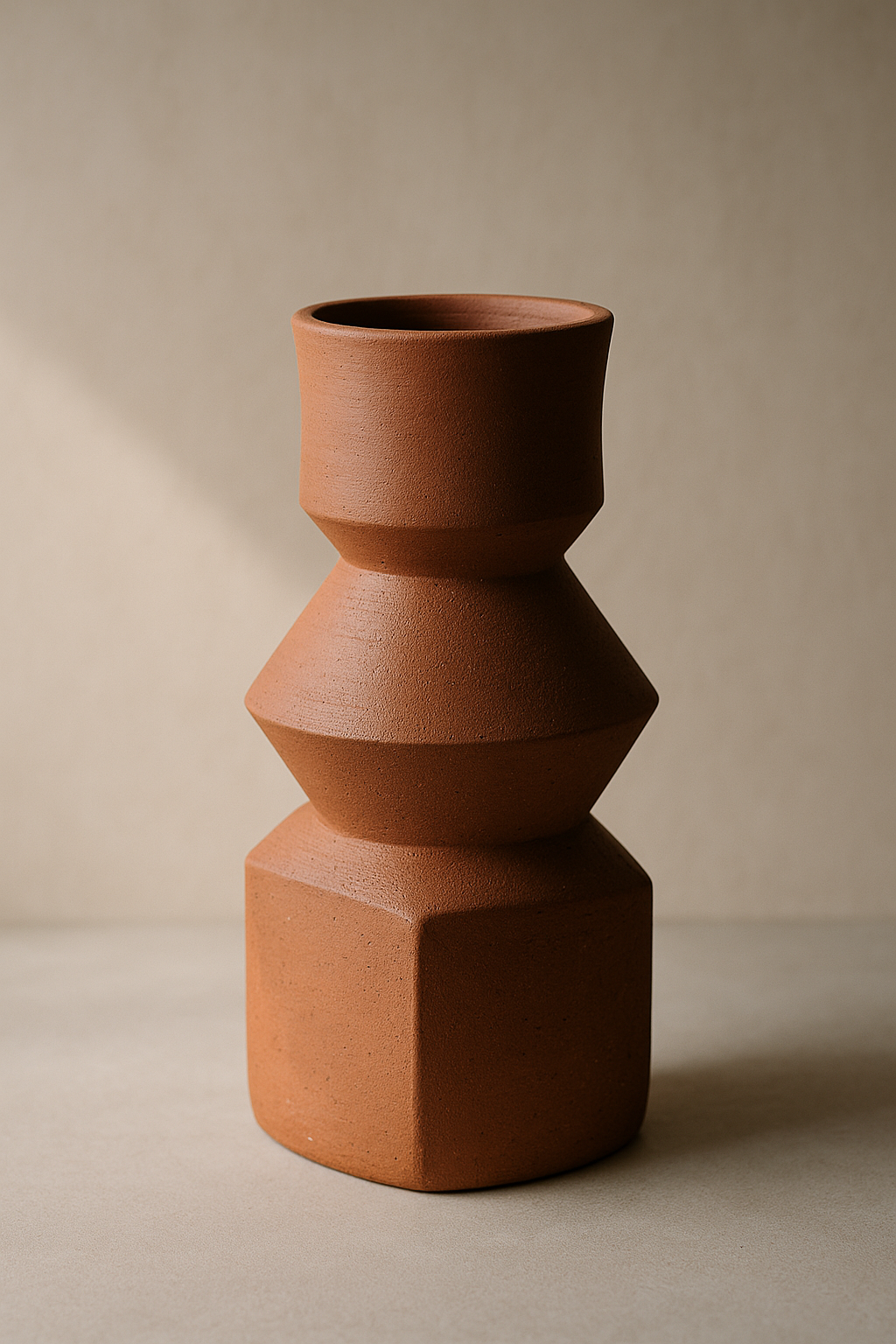
    Vinh Long Terracotta Pottery stands at a rare intersection — ancient Mekong Delta geology and sharp contemporary geometry. The alluvial clay here carries elevated iron-oxide content, producing the warm burnt-sienna hue that no synthetic pigment replicates. Artisans in Vinh Long province have worked this earth for generations. Now, a new design language is reshaping what the traditional red vase can become.

    The Mekong deposits fine-grained, mineral-dense sediment annually along the riverbanks of Vinh Long. That iron richness is not cosmetic. It determines structural density, firing behaviour, and the final surface character. Furthermore, it gives every piece a geological fingerprint — a direct record of the delta itself locked inside the vessel wall.

    Terracotte Surface Vinh Long
    Terracotta Surface

    1. Firing Technique and the Science of Unglazed Surfaces

    Traditional kilns fire Vinh Long terracotta between 900°C and 1050°C. That range is deliberate. Below 900°C, the clay remains too porous for structural integrity. Above 1050°C, the iron compounds begin to shift colour toward brown-grey, losing the signature red. Artisans therefore control temperature through fuel load, airflow, and kiln placement — not digital sensors. This is craft knowledge, accumulated over decades. To understand how this practice connects to global terracotta art history, the continuity is remarkable: low-fire, unglazed earthenware has anchored human material culture across every continent.

    Unglazed surfaces do more than look raw. They breathe. Microscopic pores regulate moisture, keeping cut flowers hydrated longer and maintaining cooler water temperatures inside a vase. Moreover, the natural texture holds ambient light differently across the day — matte at noon, warmly luminous at dusk. Geometric forms amplify this effect dramatically. A flat faceted plane catches light at a hard angle. A cylindrical curve diffuses it. The interplay becomes the aesthetic.

    1.1 Applying Geometry Without Erasing Heritage

    Modern geometric intervention requires restraint. Hexagonal cross-sections, tapered rectangular silhouettes, and angular shoulder cuts all integrate cleanly into the traditional red vase format — provided the proportions respect the original throwing ratios. However, forcing sharp orthogonal lines onto an inherently wheel-thrown form creates visual conflict. The strongest contemporary pieces solve this by combining hand-building and wheel work: the base thrown, the upper body faceted with a wire tool while leather-hard. As a result, the geometry reads as intentional, not imposed.

    2. Vinh Long Terracotta in Contemporary Japandi and Wabi-Sabi Interiors

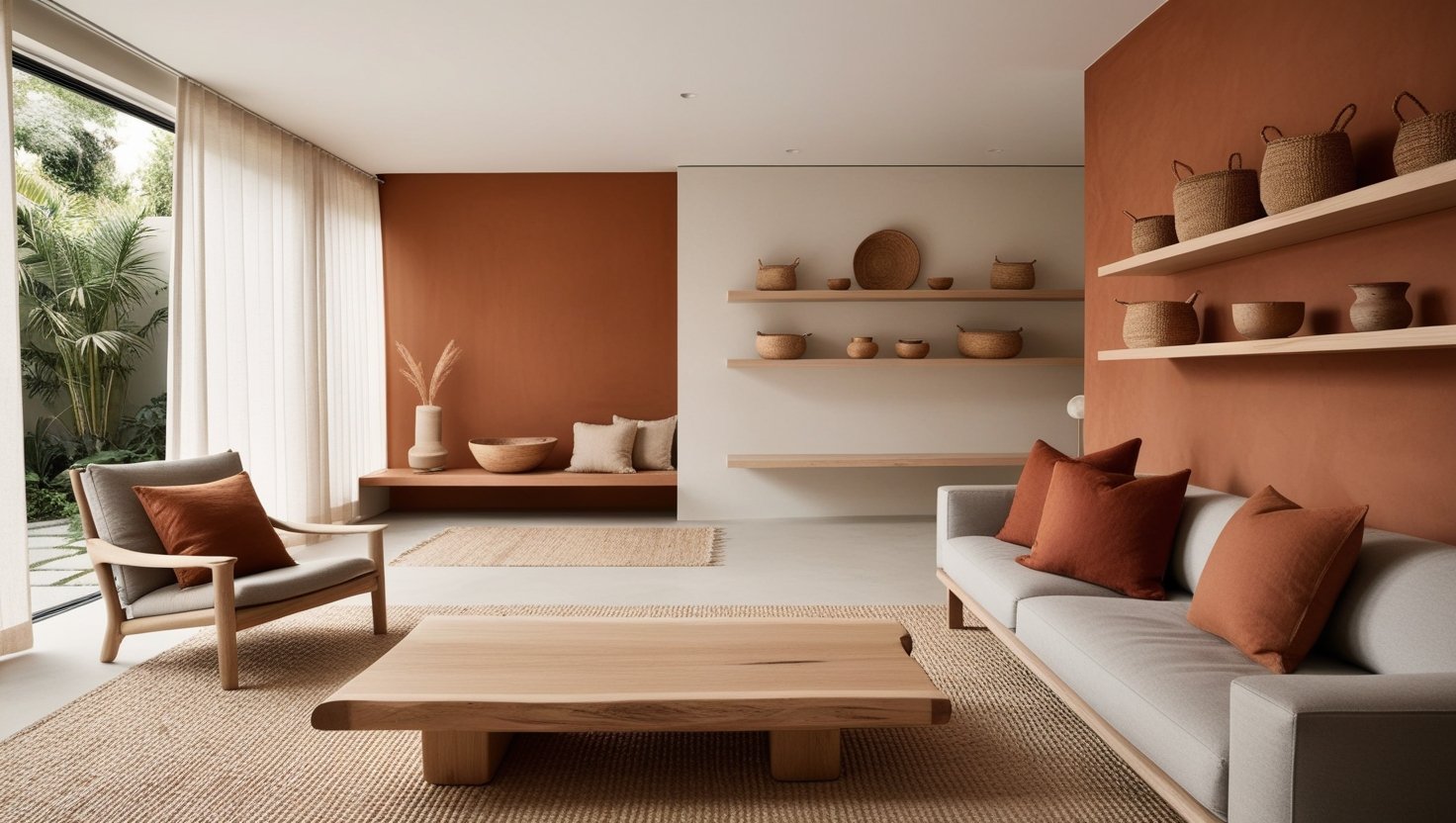
    Japandi design demands honesty from its objects. Nothing decorative without purpose. Vinh Long terracotta satisfies this demand completely — the unglazed iron-red surface, the visible throwing lines, the slight asymmetry of a hand-finished rim. These are not flaws. They are precisely the qualities that Wabi-sabi philosophy identifies as beauty. A geometric Vinh Long vase placed against a linen wall or beside raw oak furniture creates a visual dialogue between the industrial and the elemental. Hiep Loi Pottery news documents how leading Vietnamese ceramic studios are already responding to this international demand, translating traditional Vinh Long forms into export-ready Japandi objects.

    Earth tones anchor a Japandi palette. Notably, the specific red-orange of Vinh Long clay sits within the 10YR to 5YR Munsell range — warmer than Spanish terracotta, cooler than Mexican burnished ware. That positions it perfectly alongside aged brass, smoked oak, and undyed linen. Furthermore, geometric vases in this clay range from table-scale objects to floor statement pieces, giving interior designers flexible layering options without breaking material coherence.

    Instant Cozy Vinh Long Terracotta Quick Upgrades For Natural, Relaxed Style
    Interior Terracotta

    3. Why Vietnamese Terracotta Belongs Permanently in Your Space

    Durability is the first argument. Properly fired Vietnamese terracotta resists thermal shock, handles outdoor humidity, and does not degrade under UV exposure. It outlasts slip-cast commercial ceramics by decades. Sustainability is the second argument. Vinh Long clay extraction operates at artisan scale — no strip mining, no synthetic binders, no kiln emissions beyond wood smoke. The carbon footprint per piece is a fraction of industrial ceramics shipped from northern manufacturing zones.

    Above all, cultural weight matters. Each geometric vase produced from Vinh Long terracotta pottery carries an unbroken lineage — Mekong sediment, delta kiln traditions, Vietnamese craft intelligence, and now a contemporary formal vocabulary that speaks to global interiors without abandoning its origin. Collectors and designers who invest in this work are not purchasing décor. They are acquiring a durable, sustainable, and irreplaceable piece of living Vietnamese material culture. Vinh Long Terracotta Pottery does not follow trends. It sets the baseline for what honest, geometrically sophisticated earthenware can achieve.